Welcome To HuiXin IOT : Pioneering RFID Solutions for a Connected World!
With the rapid development of information technology, many campus events are gradually adopting high-tech means to enhance organizational efficiency and participant experience. Among these technologies, RFID (Radio Frequency Identification) systems have become a widely used solution for campus events due to their accurate, fast and non-contact features. In this paper, we will discuss the important role of RFID system and its application in campus events to help readers better understand why it has become a necessary tool to enhance the efficiency of campus event management.
1. What is RFID for Campus Events?
RFID (Radio Frequency Identification) system is a technology that utilizes radio waves for non-contact data communication and usually consists of three main components:
Tags: these are typically attached to participants' belongings, such as wristbands" target="_blank" style="margin: 0px; padding: 0px; color: rgb(0, 122, 255); text-decoration-line: none;"> wristbandss, tickets or Cards. The tag contains unique identification information.
Readers: RFID readers communicate with the tags through wireless signals to read the information in the tags.
Backend System: This system is used to process the data obtained from the RFID reader for authentication, statistics and other data analysis.
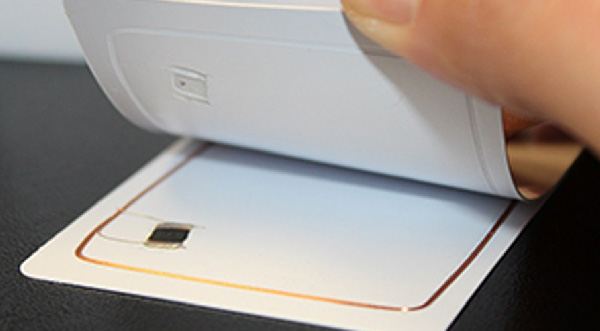
In campus activities, RFID systems usually come in the form of wristbands" target="_blank" style="margin: 0px; padding: 0px; color: rgb(0, 122, 255); text-decoration-line: none;"> wristbandss, Cards or tags with embedded microchips and antennas that are capable of storing and transmitting data. By cooperating with readers, RFID systems can quickly identify participants' identity information, ticket status or other relevant data, thus realizing intelligent management of events.
For example, in university concerts or sports competitions, participants wearing wristbands" target="_blank" style="margin: 0px; padding: 0px; color: rgb(0, 122, 255); text-decoration-line: none;"> wristbands wristbands" target="_blank" style="margin: 0px; padding: 0px; color: rgb(0, 122, 255); text-decoration-line: none;"> wristbands wristbands" target="_blank" style="margin: 0px; padding: 0px; color: rgb(0, 122, 255); text-decoration-line: none;"> wristbands wristbands" target="_blank" style="margin: 0px; padding: 0px; color: rgb(0, 122, 255); text-decoration-line: none;"> wristbandss" target="_blank" style="margin: 0px; padding: 0px; color: rgb(0, 122, 255); text-decoration-line: none;"> RFID wristbands" target="_blank" style="margin: 0px; padding: 0px; color: rgb(0, 122, 255); text-decoration-line: none;"> wristbandss can simply shake in front of the reader at the entrance, and the system can automatically complete identity verification and admission registration. This technology not only improves efficiency, but also provides event organizers with the possibility of real-time data analysis.
The core advantage of the RFID system is its non-contact operation and fast identification capability. Compared with traditional bar codes or 2D codes, RFID tags do not need to be pointed at the scanning device and can be automatically recognized from a certain distance, greatly enhancing the user experience.
info-1-1
2. Why do campus events need RFID systems?
In traditional campus activities, manual check-in, identity verification, admission control, counting the number of participants, etc. are often very cumbersome and error-prone. the application of RFID systems in these activities can bring multiple benefits:
(1) Improve efficiency
The traditional manual ticketing and check-in methods are time-consuming and labor-intensive, especially in large-scale activities, which can easily lead to entrance congestion. RFID systems can achieve rapid identification and significantly reduce queuing time. For example, for a campus concert with thousands of participants, the admission time can be shortened from hours to minutes with the use of wristbands" target="_blank" style="margin: 0px; padding: 0px; color: rgb(0, 122, 255); text-decoration-line: none;"> wristbands wristbands" target="_blank" style="margin: 0px; padding: 0px; color: rgb(0, 122, 255); text-decoration-line: none;"> wristbands wristbands" target="_blank" style="margin: 0px; padding: 0px; color: rgb(0, 122, 255); text-decoration-line: none;"> wristbands wristbands" target="_blank" style="margin: 0px; padding: 0px; color: rgb(0, 122, 255); text-decoration-line: none;"> wristbandss" target="_blank" style="margin: 0px; padding: 0px; color: rgb(0, 122, 255); text-decoration-line: none;"> RFID wristbands" target="_blank" style="margin: 0px; padding: 0px; color: rgb(0, 122, 255); text-decoration-line: none;"> wristbandss.
(2) Enhanced Security
RFID systems can verify participants' identity information, preventing forged tickets or unauthorized access and ensuring event security. Each RFID tag has a unique identification code that is difficult to duplicate, thus effectively eliminating problems such as "ticket scalping".
(3) Data management
Through the RFID system, the organizer can monitor the real-time data of the participants' admission, activity area distribution, etc., to provide support for activity management and subsequent analysis. For example, the system can count the number of participants in each area, helping organizers optimize resource allocation.
(4) Enhance participant experience
wristbands" target="_blank" style="margin: 0px; padding: 0px; color: rgb(0, 122, 255); text-decoration-line: none;"> wristbands wristbands" target="_blank" style="margin: 0px; padding: 0px; color: rgb(0, 122, 255); text-decoration-line: none;"> wristbands wristbands" target="_blank" style="margin: 0px; padding: 0px; color: rgb(0, 122, 255); text-decoration-line: none;"> wristbands wristbands" target="_blank" style="margin: 0px; padding: 0px; color: rgb(0, 122, 255); text-decoration-line: none;"> wristbandss" target="_blank" style="margin: 0px; padding: 0px; color: rgb(0, 122, 255); text-decoration-line: none;"> RFID wristbands" target="_blank" style="margin: 0px; padding: 0px; color: rgb(0, 122, 255); text-decoration-line: none;"> wristbandss or Cards are not only used as admission credentials, but can also be integrated with payment, interaction and other functions to provide participants with a more convenient and personalized experience. For example, at a campus concert, participants can use their wristbands" target="_blank" style="margin: 0px; padding: 0px; color: rgb(0, 122, 255); text-decoration-line: none;"> wristbandss to purchase drinks or souvenirs without carrying cash or cell phones.
(5) Environmental Protection and Cost Savings
Compared to traditional paper tickets, wristbands" target="_blank" style="margin: 0px; padding: 0px; color: rgb(0, 122, 255); text-decoration-line: none;"> wristbands wristbands" target="_blank" style="margin: 0px; padding: 0px; color: rgb(0, 122, 255); text-decoration-line: none;"> wristbands wristbands" target="_blank" style="margin: 0px; padding: 0px; color: rgb(0, 122, 255); text-decoration-line: none;"> wristbands wristbands" target="_blank" style="margin: 0px; padding: 0px; color: rgb(0, 122, 255); text-decoration-line: none;"> wristbandss" target="_blank" style="margin: 0px; padding: 0px; color: rgb(0, 122, 255); text-decoration-line: none;"> RFID wristbands" target="_blank" style="margin: 0px; padding: 0px; color: rgb(0, 122, 255); text-decoration-line: none;"> wristbandss or Cards can be reused, reducing waste of resources while lowering printing and management costs.
With the expansion of the scale of activities and management needs, RFID technology has become an essential tool.
3. Key Components of RFID System for Campus Events
The application of RFID system requires the collaborative work of several key components, which are:
RFID tags: each participant or item is assigned a unique RFID tag. These tags are usually in the form of wristbands" target="_blank" style="margin: 0px; padding: 0px; color: rgb(0, 122, 255); text-decoration-line: none;"> wristbandss, Cards, stickers, etc. The choice of RFID tag affects the efficiency of the system and the scenarios in which it is applied.
RFID readers: RFID readers installed at entrances or in specific areas will scan passing tags, acquire data in real time and transmit it to the backend system. Depending on the size of the event, the number of readers may vary.
Data Processing System: The backend system receives the data from the readers and processes it in real time. The system can perform tasks such as check-in verification, admission control, event interaction, and generate data reports for analysis.
User Interface: The interface used for administrators to interact with participants, including mobile devices, computers, displays and so on. Participants can sign in, redeem gifts, etc. by brushing their wristbands" target="_blank" style="margin: 0px; padding: 0px; color: rgb(0, 122, 255); text-decoration-line: none;"> wristbandss, etc.
These components work closely together to ensure the smooth operation of the RFID system, thus enhancing the overall management of campus activities.
4. Benefits of RFID system for campus activities
The benefits of RFID system for campus activities go far beyond improving efficiency and safety, the following points are particularly prominent:
Real-time data tracking and analysis: Through the RFID system, the event organizer is able to understand the participants' activity track, check-in and admission status in real time. The system will automatically generate statistical reports to provide data support for later activity improvement.
Enhancement of interactive experience: Through RFID technology, participants can not only quickly complete the check-in, but also participate in interactive games and receive rewards during the event. For example, using RFID technology for lucky draw or voting can make the event more interesting and attractive.
Reduce queuing and congestion: The high efficiency of RFID systems allows participants to enter and sign in quickly without waiting in long lines, improving the mobility of the event site.
Enhance event security: RFID can give each participant or staff member a unique identification, preventing identity forgery or misuse. For some activities that require authentication, the introduction of RFID systems significantly enhances the security of the event.
These advantages make RFID system more and more popular in campus activities, especially in large-scale activities, the advantages of RFID system become more and more significant.
5. Types of Campus Events Implementing RFID Systems
RFID systems are suitable for a wide range of campus events. The following are some typical types of events:
University Concerts: Concerts usually attract a large number of spectators, and RFID systems can be used to quickly validate tickets, sign in, and control admission. Audience members can be quickly authenticated at the entrance by wearing wristbands" target="_blank" style="margin: 0px; padding: 0px; color: rgb(0, 122, 255); text-decoration-line: none;"> wristbands wristbands" target="_blank" style="margin: 0px; padding: 0px; color: rgb(0, 122, 255); text-decoration-line: none;"> wristbands wristbands" target="_blank" style="margin: 0px; padding: 0px; color: rgb(0, 122, 255); text-decoration-line: none;"> wristbands wristbands" target="_blank" style="margin: 0px; padding: 0px; color: rgb(0, 122, 255); text-decoration-line: none;"> wristbandss" target="_blank" style="margin: 0px; padding: 0px; color: rgb(0, 122, 255); text-decoration-line: none;"> RFID wristbands" target="_blank" style="margin: 0px; padding: 0px; color: rgb(0, 122, 255); text-decoration-line: none;"> wristbandss. RFID technology can also be used to allow the audience to participate in interactive sessions such as voting and lucky draws on site to increase the sense of participation.
Sports competitions: In sports competitions, RFID systems can be used not only for pre-match check-in, but also for athletes' identity verification, performance records and data analysis. Through RFID technology, the organizer can track the performance of athletes in real time during the game, and provide audiences with richer event information.
Club activities or school celebrations: Large-scale campus activities such as club recruitment and school celebrations are also suitable for RFID systems. Through the RFID system, students can quickly sign in, participate in club activities, and win rewards by participating in interactive games.