Welcome To HuiXin IOT : Pioneering RFID Solutions for a Connected World!
RFID tags (radio frequency identification tags) are a technology that uses radio waves to transmit data. According to the working frequency, RFID tags can be divided into three types: low frequency (LF), high frequency (HF) and ultra-high frequency (UHF). UHF RFID tags are gaining popularity in more industries due to their long reading distance and fast data transmission speed.
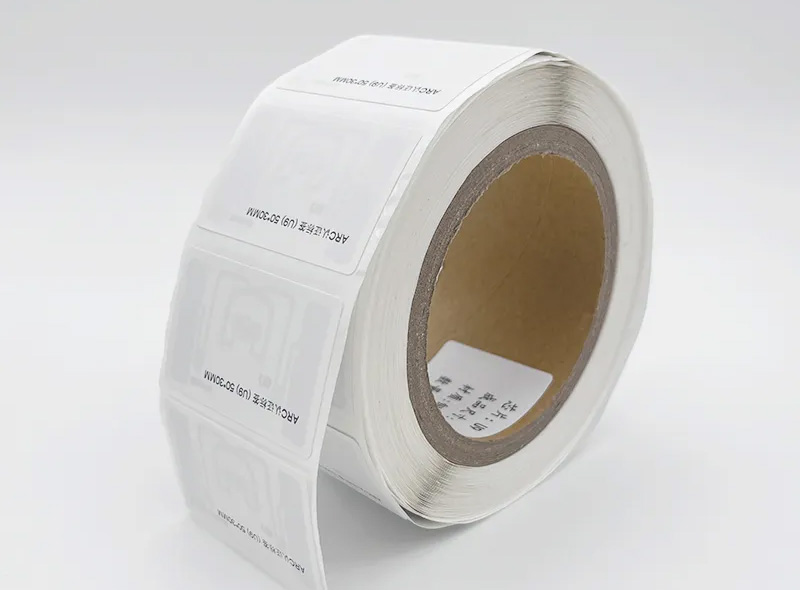
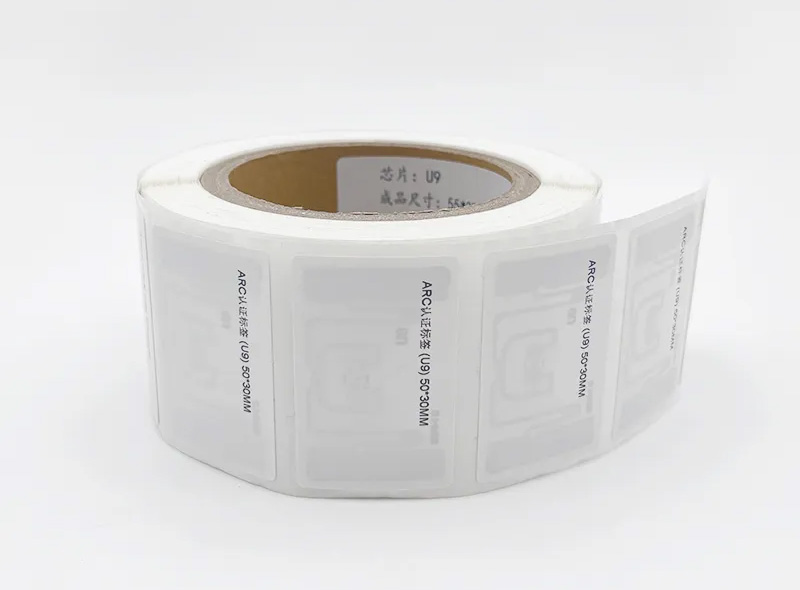
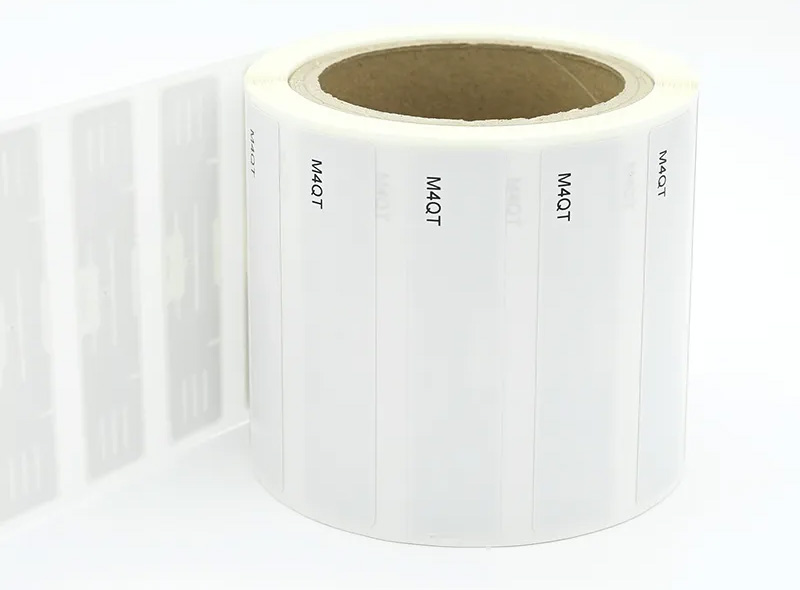
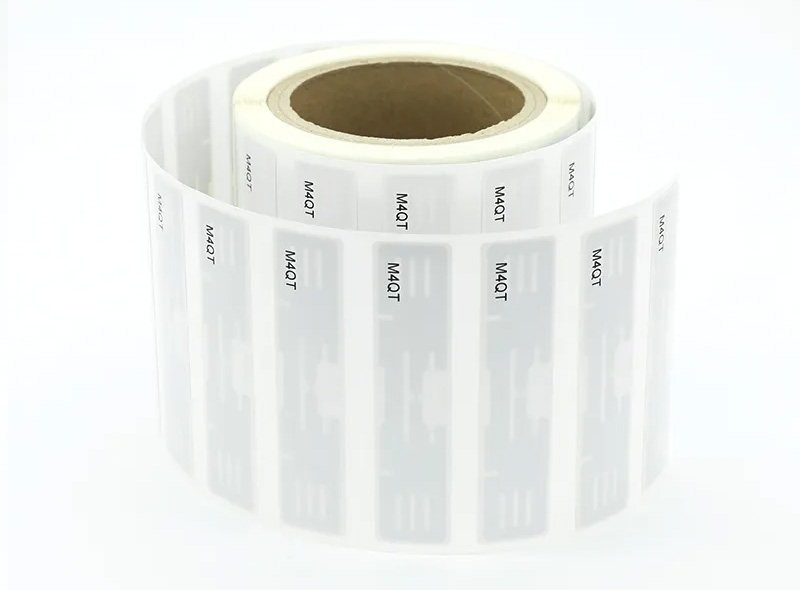
The HF 13.56 MHz band is considered the universal band and it is used worldwide for applications such as access control, identification, payment, baggage control, laundry and library management, etc..
The latest generations of chips for this type of TAG support the anti-collision function that allows the reading/writing of multiple tags simultaneously present in the field of the Reader.
Unlike in the UHF band, the 13.56 MHz RF field is not particularly affected by water or human body tissues.
HF RFID tags operate at 13.56 MHz and it can be ISO/IEC 14443 or ISO/IEC 15693.
The ISO/IEC 14443 standard is defined as “proximity” and covers reading distances of up to 12cm; this standard is that of NFC technology implemented in most smartphones and tablets.
The ISO/IEC 15693 standard is defined as “vicinity” and covers reading distances up to a maximum of 130cm.
The UHF RFID band is the most recently introduced and it is the preferred band in logistic and asset management areas. The reading distance is significantly greater than HF tags one, with a reading range of up to 12-15 meters but, in exceptional cases, touching even 30 meters.
The reading distance of a UHF RFID tag is heavily influenced by the transmission power of the reader, the size of the tag’s antenna and the characteristics of the environment. Metal and liquids, in fact, attenuate the signal thus reducing the communication range.
The tag-controller coupling occurs by electromagnetic means, in HF tags mainly by magnetic field, while in UHF tags the prevailing component is of electric type.
The reference standard is ISO/IEC18000-6 Type C and the communication protocol between tags and controllers is called ‘EPC “Class1/Generation2”. The anti-collision system is even more optimized, allowing multiple readings, which exceed 100 tags per second.

UHF RFID tags operate in the frequency range of 860 to 960 MHz and have many unique characteristics, which make them show significant advantages in many application scenarios. First, the reading distance is far, which can reach several meters to tens of meters. Therefore, it is particularly suitable for asset tracking and management. Secondly, the system reads a large number of tags in a short time due to the fast data transmission speed, greatly improving work efficiency. In addition, They typically have a low cost, significantly reducing overall operating expenses in large-scale applications.
Another thing worth noting is that UHF RFID tags have strong adaptability to the environment. For example, in metal and liquid environments, they can produce anti-metal RFID tags and anti-liquid RFID tags that can achieve stable reading effects in these complex environments by selecting appropriate tag designs and materials.
UHF RFID tags have a wide range of uses and are diverse. Here are a few specific application cases:
Its long-distance reading capability and fast data transmission characteristics enable warehouse managers to obtain inventory information in real time, reduce human errors, and improve the accuracy of inventory management. For example, large retailers such as Walmart and Amazon widely use them in their logistics centers to optimize inventory management.
By attaching them to goods, stores can achieve efficient automated checkout, thereby reducing customer queue time and improving user shopping experience. For example, many well-known brands such as Zara have introduced UHF RFID tag technology in stores.
By attaching them to goods or vehicles, logistics companies can monitor the transportation status of goods in real time, optimize transportation routes, and reduce transportation delays. For example, by using UHF RFID tag technology, international logistics companies such as DHL have achieved accurate management of global goods.
The ability to read quickly and read from a long distance enables hospitals to obtain patient information in real time, prevent information errors, and ensure medical safety. Some international hospitals now use them on patient wristbands to quickly read patient information and reduce errors in the diagnosis and treatment process.
The inlay is the basic component of an RFID label: it is the special substrate on which the antenna, the chip and the capacitor are placed. It does not have any die-cutting, adhesive or cover (plastic or paper). Due to the absence of additional processing, it is the most inexpensive product.
The wet-inlay is the next step: it has die-cutting, adhesive and a transparent polypropylene cover. This product, which has a visible antenna, can already be considered an RFID label in its own right. The main limit is the impossibility of printing the surface.
This product differs from wet-inlay in that it has a paper surface, which allows it to be printed on printers with an integrated RFID module. The paper RFID label is supplied in rolls and, on request, can be coded and/or printed by us during production.
To ensure better resistance to atmospheric agents and to increase the useful life of the product, it is advisable, where necessary, to opt for the Smart Label with one of the proposed plastic surfaces. Depending on the requirements, the materials used for the covering are PP, PET and PVC.