Welcome To HuiXin IOT : Pioneering RFID Solutions for a Connected World!
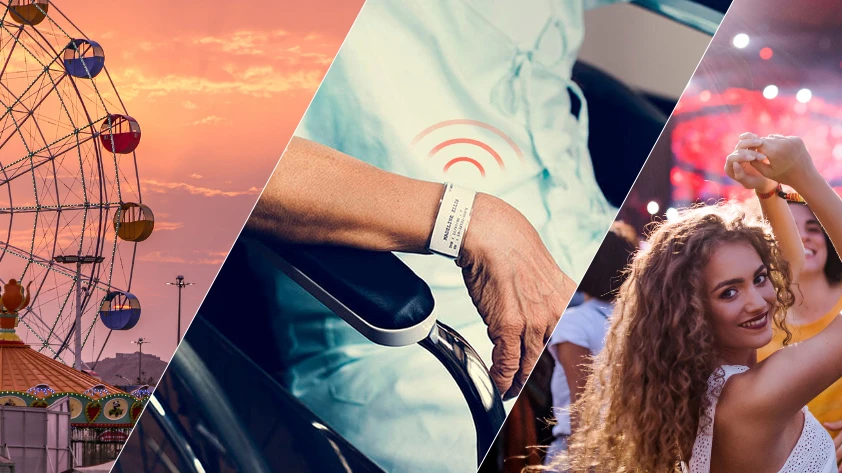
Regardless of the type of event, an organizer's primary concern is to provide a secure event experience for participants. At large-scale events and entertainment venues such as music festivals, sporting events, theme parks and exhibitions, the security and convenience of payment methods are of paramount importance. In recent years, cashless RFID (Radio Frequency Identification) payment systems have become an increasingly popular choice due to their efficiency and security. It not only enhances payment efficiency, but also prevents fraud and provides a better payment experience for organizers and consumers.
In this paper, we will discuss the working principle and advantages of cashless RFID payment system, as well as how it can improve payment security and prevent fraud, and finally analyze its future development trend.
1. What is cashless RFID payment system?
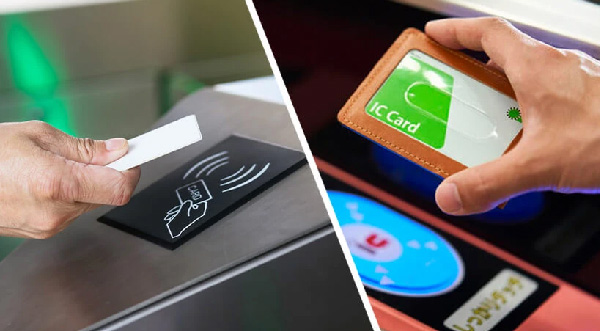
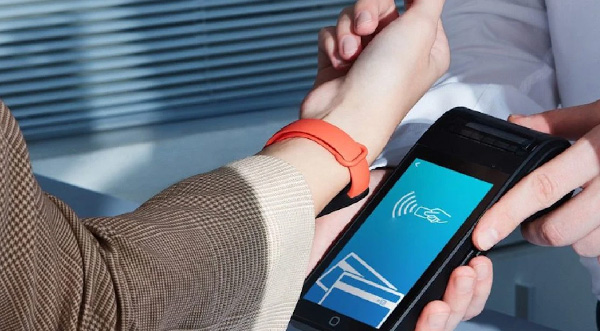
Cashless RFID payment system is a kind of payment method based on radio frequency identification ( RFID) technology, users usually through RFID bracelets, Cards or smart devices for transactions. These RFID devices have a built-in chip that communicates wirelessly with specific terminals to enable fast, secure payments.
At events, users can top up funds to the RFID device in advance or on-site and scan it to pay directly at the time of purchase, eliminating the need for cash or credit Cards. This payment mode is being widely used around the world, especially for large-scale activities and closed places, such as music festivals, sports events and theme parks.
2. How can cashless RFID payment systems enhance security?
Enhanced Security and Fraud Prevention
RFID payment system adopts multiple technologies in terms of security to protect the interests of users and merchants:
Encryption technology: RFID payment systems use high-strength encryption algorithms to protect sensitive data within the card, such as the user's identity and transaction information. Each RFID device contains a unique encryption key that ensures that data cannot be stolen or tampered with during transmission.
Prevents counterfeiting and duplication: Because each RFID tag is unique and contains dynamic authentication data (e.g., a one-time password), even if someone tries to duplicate the RFID card, the pirate cannot successfully conduct a transaction. The system verifies the data of each transaction in real time to ensure its legitimacy.
Real-time monitoring and fraud prevention mechanisms: Through big data analysis, RFID payment systems are able to detect unusual transactions, such as repeated large payments within a short period of time, multiple transactions originating from the same device, and other behaviors, which can immediately trigger alerts and stop suspicious transactions.
Authentication: Some RFID payment systems also incorporate biometrics (e.g., fingerprint recognition or facial recognition) for authentication, further enhancing payment security.
Faster Transactions and Reduced Queues
One of the most significant benefits of RFID payment systems is the ability to dramatically increase payment efficiency and reduce queuing times:
Contactless Payment: Traditional payment methods, such as cash or bank Cards, require users to insert a card or make a signature, which is often time-consuming. RFID payment only requires that the device (e.g., RFID card, bracelet, or cell phone) be close to the reader, and the system can identify the identity and complete the transaction in an instant.
Improvement of settlement efficiency: RFID payment system through the near field communication (NFC) technology, to achieve rapid settlement, not only shorten the checkout time, but also reduce the need for manual intervention. Consumers can complete payments quickly, especially for large events or stores during peak hours.
Reduces queuing congestion: Fast payment effectively eases queuing in shopping malls, stations and events, avoiding congestion caused by slow payment processes and improving the shopping experience for customers.
Improved event management and data insights
RFID payment systems provide merchants and event organizers with in-depth data analytics and management tools to help them better manage events and operations:
Real-time data tracking: RFID payment systems monitor all transactions in real time and provide data on customer behavior and spending habits. This data includes purchase frequency, product preferences, payment amounts, etc., providing merchants with accurate consumer data.
Optimized resource allocation: Through data analysis, merchants can predict which time periods or locations will experience payment peaks, so that they can deploy sufficient service personnel or equipment in advance to avoid resource shortages or service bottlenecks.
Precision marketing and customized services: Merchants can use data from RFID systems to analyze customer groups and push personalized advertisements or promotions. Based on customers' historical spending records or behavioral patterns, RFID payment systems can automatically recommend goods or services to improve sales conversion rates.
Improve event responsiveness: In large-scale events (e.g., concerts, sports events), RFID payment systems not only enhance payment efficiency, but also help event organizers monitor dynamic information such as customer flow and personnel movement, making it easier to make timely adjustments.
Enhanced Attendee Experience
RFID payment systems provide attendees with a smoother, more convenient and secure experience, especially at large events or venues:
Seamless Payment and Identification: Attendees can wear RFID bracelets or Cards and rely on them for authentication, seamless payment and access control in different scenarios. The whole process simplifies participation by eliminating the need to queue, pick up tickets or manually enter information.
Fast access to venues and event areas: The RFID system can automatically identify cardholders, reducing manual verification and tedious queuing steps. Attendees can quickly enter venues, pick up items or participate in events by simply holding their RFID bracelets close to the reading device.
Personalized Experience: RFID technology can customize the experience based on attendees' behavior and interests. For example, the event venue can push relevant coupons or gifts based on RFID data, or provide customized dietary recommendations to enhance customer engagement and satisfaction.
Interactivity and Entertainment: RFID devices can be combined with other interactive elements on-site (e.g., games, check-in walls, personalized information displays) to enhance the entertainment and interactivity of the event, making it more enjoyable and engaging for attendees.
Reduced Costs and Environmental Benefits
RFID payment systems can reduce operational costs and promote environmental sustainability in a number of ways:
Reduces the use of cash and coins: Traditional cash payments not only require merchants to invest additional funds to handle cash, but may also require specialized equipment to manage and store the cash. RFID payment systems replace the use of cash and banknotes, thereby reducing the cost of circulation and management of coins and banknotes.
Reduced Transaction Fees: RFID payments typically have lower transaction fees compared to traditional credit card payment systems, allowing merchants to reduce payment processing costs and improve profitability.
Reduce physical tickets and paper usage: RFID systems can digitize traditional paper tickets (e.g., admission tickets, invoices, etc.) and enable paperless transactions through RFID devices, which not only improves efficiency, but also reduces the consumption of environmental resources.
Sustainability: Merchants can achieve optimal allocation of resources through RFID systems, such as reducing waste and lowering energy consumption, thus supporting a greener, low-carbon mode of operation. This approach is in line with environmental protection trends and also enhances corporate social responsibility.
Through the enhancement of these aspects, the cashless RFID payment system not only shows great advantages in terms of security, payment speed, data analysis and user experience, but also further consolidates its important position in the modern payment system by reducing operating costs and promoting the realization of environmental protection goals.