There are numerous successful cases of smart libraries in university and public libraries, but primary and secondary school libraries are relatively less "smart". Smart Library for University and Public Libraries
The project has developed rapidly in recent years, relying on strong financial support and demand driven initiatives. Many people believe that there is no need to build smart libraries in primary and secondary school libraries, but in fact, primary and secondary school libraries also need to be "smart" in order to better serve the teachers and students of primary and secondary schools. According to the requirements of documents such as the "Notice of the Ministry of Education on Issuing the Regulations for Primary and Secondary School Libraries (Rooms)" and the "Guiding Opinions of the Ministry of Education on Strengthening the Construction and Application of Online Learning Spaces", primary and secondary schools in various regions will pay more attention to the construction of smart libraries in the future.
The smart library for primary and secondary schools introduces information technologies such as the Internet of Things, cloud computing, and big data into the library to achieve intelligent perception, analysis, and management. By creating an innovative and personalized educational environment, it perfectly constructs a comfortable reading space that is "read and enjoyed by everyone".
Smart Library
The core is
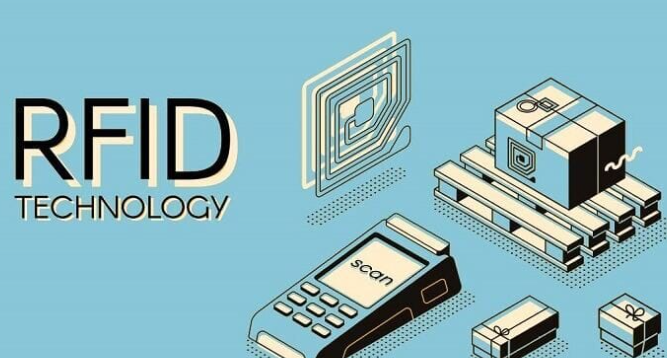
RFID, which gives books an ID card through electronic tags on each book. Due to the young age of primary and secondary school students, their self-control is sometimes weak, and books are often placed haphazardly by them. Even mischievous students intentionally place them randomly. With the help of
RFID readers, librarians can track the dynamic information of books at all times, which brings great convenience to primary and secondary school librarians. At the same time, using
RFID handheld devices can achieve easy inventory, greatly avoiding the embarrassing situation of traditional library inventory being time-consuming, laborious, and often prone to errors. Based on
RFID wireless radio frequency identification technology, smart libraries can also achieve functions such as book theft prevention, self-service borrowing and returning of books by readers, and fully automated sorting.
Smart libraries leverage cloud computing technology to maximize the sharing of library resources. By placing library resources in the 'cloud', we have broken through the limitations of time and space. Primary and secondary school library users can use the library software system as long as they are connected to the Internet. Cloud computing enables smart libraries to truly achieve inter library collaboration and mutual assistance, as well as maximizing resource sharing. Moreover, through cloud computing platforms, primary and secondary school libraries do not need to equip additional servers, nor do they have to worry about data loss caused by damage to data storage devices. The use of cloud computing technology can greatly reduce the cost investment in the informationization construction of smart libraries.
With the continuous development of technology and the gradual increase in national policy support, smart libraries in primary and secondary schools
In the future, it is expected to work hand in hand with university libraries and public libraries, and flourish. If the youth are strong, then China will be strong. Although it is now rarely mentioned to "study for the rise of China", the competition between countries in the future will still be a competition for talent. In order to achieve the great rejuvenation of the Chinese nation, let us embrace technology and make primary and secondary school libraries more "intelligent".