In recent years, with the advancement of technology, powerful libraries have continuously undergone digital upgrades and transformations, greatly enhancing the on-site experience of readers. The terms "smart library" and "digital library" are increasingly indexed on Baidu, but many people are concerned about the relationship between digital libraries and smart libraries
The relationship between the two is not well understood. Is the smart library an upgraded version of the digital library?
Regarding these two statements, Baidu Baike's explanation is that the Smart Library
It refers to an intelligent building formed by applying intelligent technology to library construction, which is an organic combination and innovation of intelligent buildings and highly automated management of digital libraries. The "digital library" is essentially a distributed information system for multimedia production, which stores various information resources from different carriers and geographical locations using digital technology, and is a large-scale information system for cross regional object-oriented network query and dissemination. From this, it can be seen that smart libraries and digital libraries are actually complementary. From a timeline perspective, it should be the digital foundation of library resources that gives rise to intelligent library applications.
Digital libraries are more based on resource types, with a focus on "digitization", while smart libraries are a concept that is not limited by space but can be perceived in reality. It mainly provides intelligent services to users through software and hardware devices or facilities.
Simply put, a smart library is a combination of a library, the Internet of Things, cloud computing, and intelligent devices. It achieves intelligent services and management through the Internet of Things. For example,
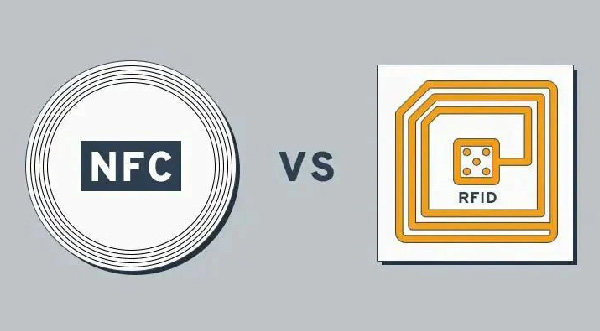
RFID technology
The introduction is a practical application of a smart library. The
RFID book management system adopts
RFID technology, which scans and identifies electronic tags of books through antennas. It can complete various functions such as inventory of library collections, book query and positioning, wrong shelf statistics, self-service borrowing and returning, book anti-theft, etc. It has the characteristics of stable performance and strong anti-interference ability.
The development and transformation from "digital library" to "smart library" is essentially a product of the dual promotion of technology and demand. The digital library has revitalized the resource system of traditional libraries, while the smart library, based on the digital library, enables the revitalized digital resources to meet the increasingly diverse personalized needs and experiences of readers in a more three-dimensional way. Smart Library
It will definitely not be the end point of the digital upgrade and transformation of libraries, but the starting point. With the arrival of the metaverse era, will libraries also keep up with the pace in the future?