Automobiles have been around for over a hundred years, and now there are multiple manufacturers and styles of cars on the market. A car is assembled from very complex components. Compared to the large-scale production during the technological monopoly in the past, the current car production is dominated by market demand, gradually shifting from a single production line to a flexible production line to adapt to the ever-changing market demand, meet the production of multiple types of car models, and save a lot of costs caused by car model updates.
The flexible production lines of automobile manufacturers are mainly reflected in the main welding line and conveyor line, in order to improve the flexibility of the production line and reduce costs while increasing efficiency. Through
RFID
Technology is used to identify different vehicle models and component categories, helping the production line achieve flexible switching between multiple vehicle models and different processes, thereby avoiding downtime caused by replacing the production line and improving production efficiency.
The production line is equipped with
RFID communication equipment with IO modules, mainly composed of PLC, IO, and
RFID industrial readers with IO interfaces. The main information acquisition and recognition hardware is composed of
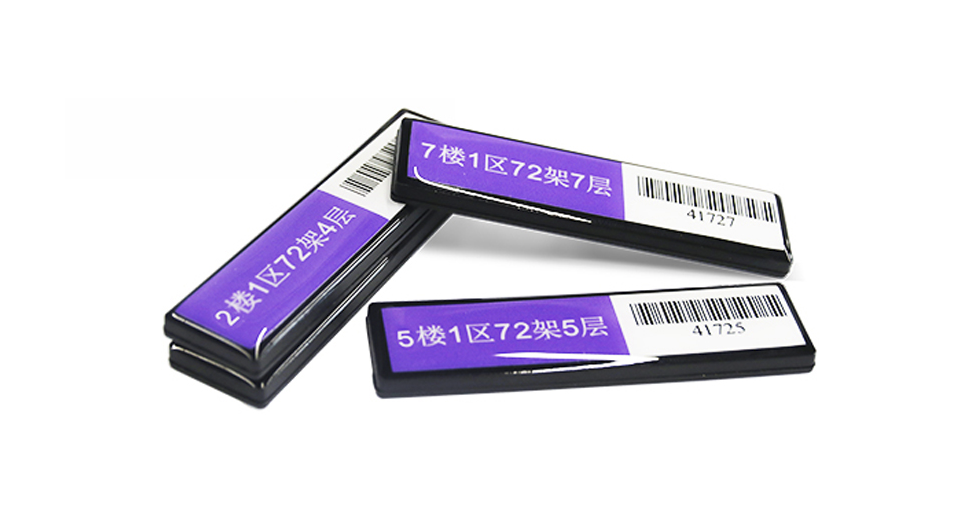
RFID electronic tags on the components, which are responsible for recording data and distinguishing the production line. The product equipment can work stably in the harsh environment of the automotive assembly workshop, support installation for different scenarios, flexibly configure, and consider the on-site environment to meet the requirements of the assembly process, achieving production line automation. The electronic work order and data traceability of the implementation process make the entire manufacturing process more flexible.