Welcome To HuiXin IIOT : Pioneering RFID Solutions for a Connected World!

In the ever-evolving field of inventory management, there is a constant focus on improving efficiency. Companies of all sizes regularly assess their current capabilities and seek ways to maximize efficiency from existing infrastructure while preparing to adopt new technologies to elevate performance to new levels. RFID (Radio Frequency Identification) technology, as an automated inventory management solution, is gradually replacing traditional manual recording and barcode scanning, enhancing the efficiency, accuracy, and traceability of inventory management. This article will provide a detailed introduction to the types of RFID tags, the advantages and disadvantages of RFID in inventory management, a comparison between RFID and barcodes, and its role in warehouses.
What is an RFID Tag?
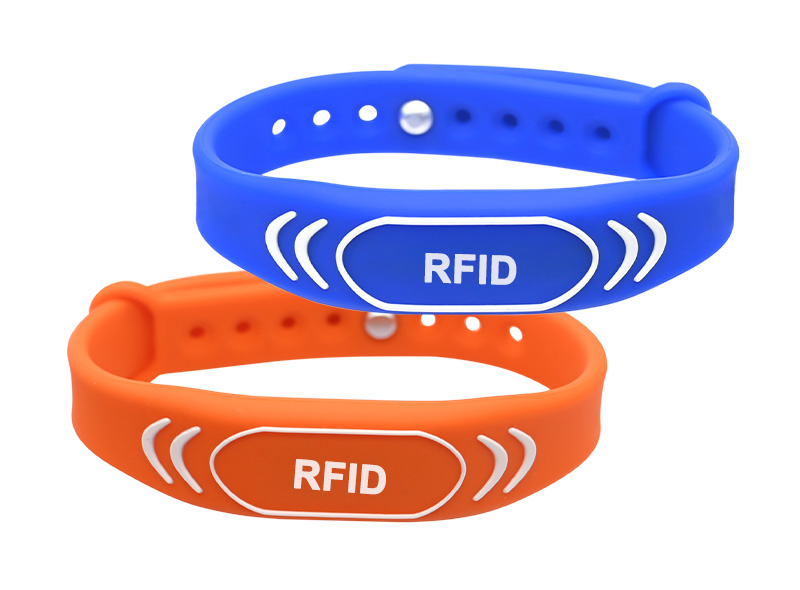
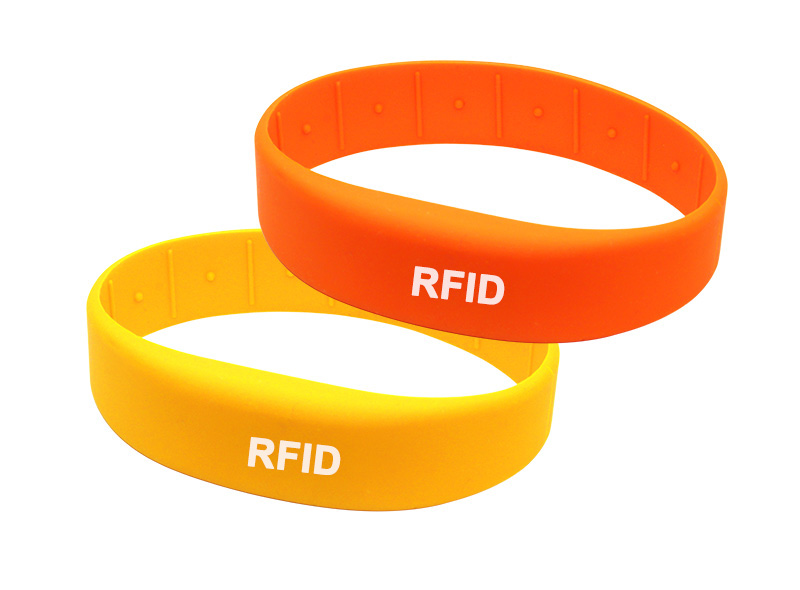
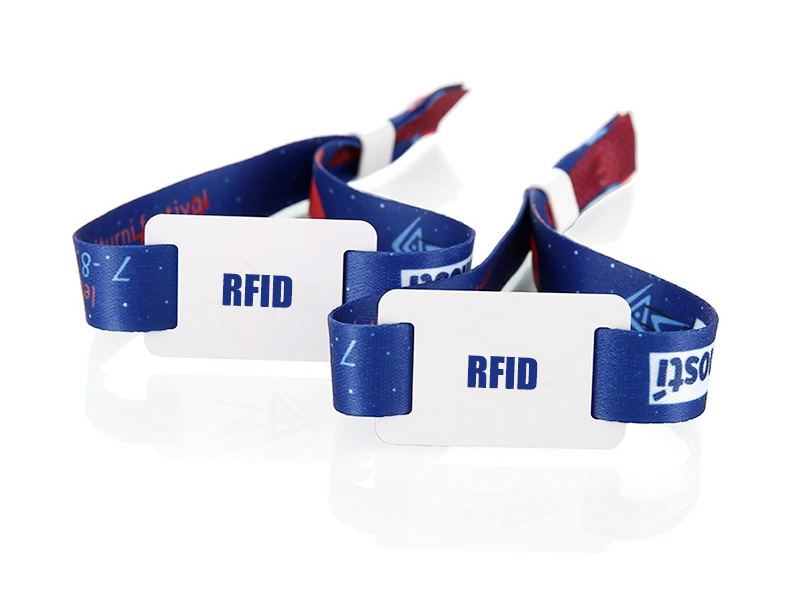
RFID (Radio Frequency Identification) is a wireless communication technology that automatically identifies target objects and retrieves related data through radio frequency signals without human intervention. RFID tags are the core components of RFID systems, typically consisting of an electronic chip and an antenna, capable of storing unique identification codes (EPC, Electronic Product Code) and other inventory information.
Key Features of RFID Tags:
(1)Wireless Scanning: No need for direct contact with the scanner; data can be read from a distance.
(2)Multi-Tag Reading: RFID readers can simultaneously read multiple tags, significantly improving scanning speed.
(3)Data Storage: Can store more information than barcodes and allows multiple read/write operations.
(4)Durability: Compared to barcodes, RFID tags have a longer lifespan and are less prone to damage.
Two Types of RFID Tags
1.Passive RFID Tags: Most tags used for inventory tracking are passive RFID tags, meaning they do not contain a battery and are powered by waves emitted by the reader.
Features:
No built-in power source; rely on radio frequency energy from the RFID reader to activate the chip.
Lower cost, suitable for large-scale inventory management.
Shorter reading distance, typically ranging from a few centimeters to several meters.
Mainly used in warehouse management, retail product management, and logistics tracking.
2.Active RFID Tags: Active tags are battery-powered and are used for long-distance tracking of machinery such as trucks and train carriages.
Features:
Built-in battery, capable of actively sending signals to the RFID reader.
Long reading distance, ranging from tens to hundreds of meters.
Large storage capacity, capable of storing more inventory information.
Higher cost, typically used for high-value asset management, vehicle tracking, and cold chain logistics.
info-1-1
Advantages of Using RFID for Inventory Management
Using RFID for inventory management offers several advantages, such as reducing labor costs and speeding up scanning processes. Below are some ways RFID tags enhance inventory management:
(1)Improved Visibility and Faster Scanning:
Since RFID tags do not require "line-of-sight" scanning like barcodes, they can be read from a distance, enabling rapid inventory processing. They can also be read from any direction, improving inventory visibility and allowing for more frequent updates and scans.
(2)Reduced Labor Costs:
With labor costs accounting for 50-80% of distribution center costs, RFID has significant potential in this area. Inventory registration, counting, and shipment verification can be quickly automated with just a few scans, reducing the need for multiple employees.
(3)Tracking Reusable Assets:
For companies using reusable assets like containers and pallets, RFID enables tracking throughout the supply chain cycle, improving visibility of inventory locations.
(4)Reduced Inventory Loss and Theft:
RFID technology allows real-time tracking of item locations, reducing the risk of inventory damage, loss, or theft. Access control RFID readers can record goods entering and exiting the warehouse, preventing internal theft.
Disadvantages of Using RFID for Inventory Management
While RFID offers several benefits for inventory management, the technology also has some drawbacks that can hinder usability and introduce other issues, such as security concerns. Below are the notable disadvantages of using RFID tags for inventory management:
(1)Inability to Use Mobile Phones as Scanners:
Although fixed and remote RFID readers are available, mobile phones cannot be used to scan RFID tags, unlike barcodes. This limitation requires drivers or employees on-site to carry specific RFID readers, and mobile phones cannot serve as backups if the provided readers fail.
(2)High Equipment Costs:
RFID tags are significantly more expensive than barcode labels. Additionally, they require specific readers that must be purchased from a limited number of RFID equipment manufacturers. Scaling these solutions can incur substantial costs due to the need for additional specialized scanners and RFID tags.
(3)Susceptibility to Environmental Factors:
Metals and liquids can interfere with RFID signals, affecting tag readability. Specialized anti-interference technologies are required, increasing system complexity and cost.
(4)Lack of Standardization:
RFID devices from different manufacturers may not be compatible, leading to difficulties in data exchange and system integration. Additional software development costs may be required to ensure compatibility across different vendors' products.
(5)Security Concerns:
Although RFID systems are continually updated to enhance data security, they remain vulnerable to hacking. Remote devices, including mobile phones, can sometimes be used to scan tags at close range and replicate tag data.
While RFID offers some compelling tangible benefits for inventory management, there is still much work to be done to streamline these systems. Most challenges involve scaling this solution in a cost-effective manner while updating infrastructure to fully leverage its advantages.
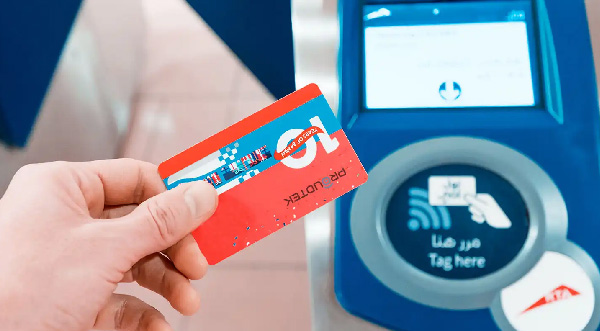
RFID Tags vs. Barcode Labels: Which is Best for Inventory Management?
RFID is useful in certain applications, but for most companies seeking an accurate, user-friendly, and cost-effective inventory management solution, barcode labels remain a proven and trusted option.



Plus regular updates, exclusive discounts and the latest product news!