Welcome To HuiXin IIOT : Pioneering RFID Solutions for a Connected World!

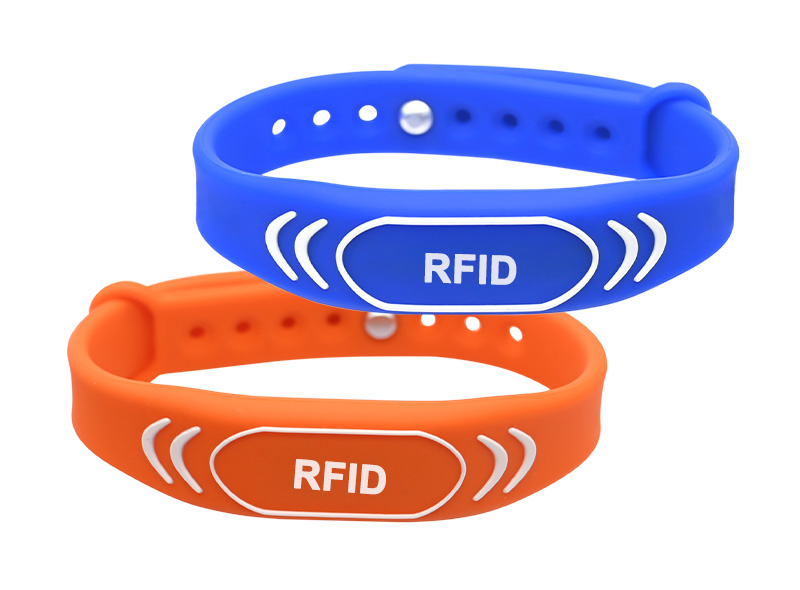
In today's digital age, smart technologies are increasingly being used, among which NFC wristbands, as a convenient smart device, are changing the way people live. From mobile payments and access control systems to activity management and health monitoring, NFC wristbands are becoming an important tool in a variety of industries. So what exactly is an NFC wristband? How does it work? And what convenience can it bring us? In this article, we will introduce the definition of NFC wristbands, how they work, their advantages and how to start using them.
NFC
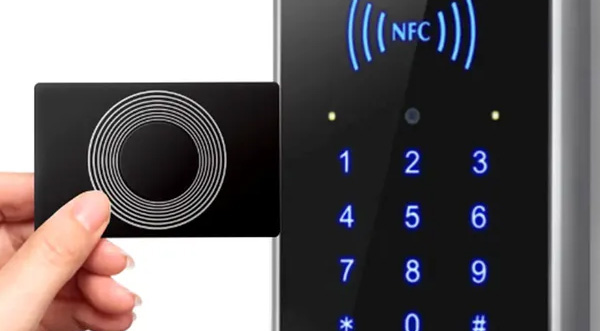
NFC (Near Field Communication) is a short-range wireless communication technology that allows two compatible devices to exchange data when in close proximity to each other (usually within 4 centimeters). This technology is based on Radio Frequency Identification (RFID) and operates in the 13.56 MHz frequency band, but is smarter than traditional RFID and allows for two-way communication.
NFC technology is commonly used for:
Contactless payments (e.g. Apple Pay, Google Pay)
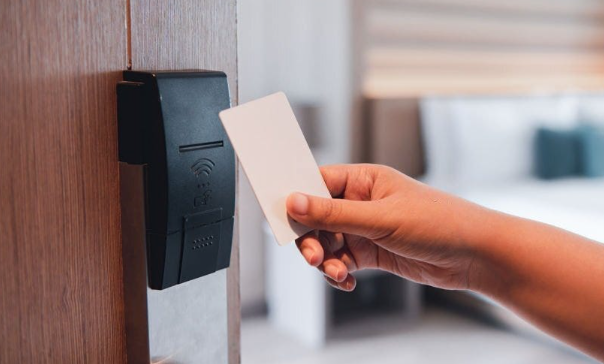
Access control systems (hotel room cards, office access control)
Smart device pairing (Bluetooth connectivity, WiFi sharing)
Identity verification (e-ticketing, member identification)
One of the main advantages of NFC technology is its high security, low power consumption, and the fact that users do not need to go through a tedious pairing process and can complete the operation with just a touch. This convenience makes it ideal for wearable devices such as smart wristbands.
How NFC Wristbands Work?
NFC wristbands have a built-in NFC chip that is able to communicate with compatible devices (e.g. smartphones, NFC card readers, access control systems, etc.). The working principle is as follows:
Proximity sensing: When the NFC wristband is close to the NFC reading device (usually at a distance of 1-10 centimeters), the device will activate the NFC chip in the wristband.
Data exchange: Information in the chip is read or written, such as identity information, payment data or access rights.
Automatic execution of commands: After successful reading, the system performs the corresponding operation, such as completing payment, unlocking access control or recording activity data.
There are two main modes of communication for NFC wristbands:
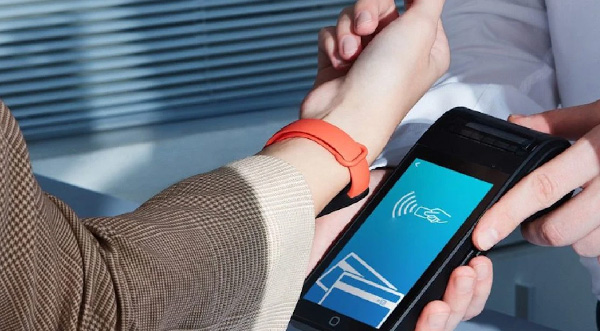
Active mode: the wristband exchanges data with other devices applicable to payment, identity verification and other scenarios. For example, NFC payment wristbands can communicate with POS machines to complete transactions.
Passive mode: NFC wristbands are only used as information storage devices, do not actively send data, but by external devices to read the information in the chip. For example, an access control wristband can be used in a company or gym access control system and can be unlocked by simply approaching the card reader.
This contactless communication not only increases the speed of operation, but also reduces wear and tear caused by physical contact, making NFC wristbands more durable and secure.
Benefits
NFC wristbands are used in a wide range of applications and bring a lot of convenience to users, the following are its main advantages:
1. Convenient payment
NFC wristbands can be tied to mobile payment systems (such as Apple Pay, Google Pay, Alipay, WeChat Pay), allowing users to realize cashless transactions, which can be completed with a single touch at terminals that support NFC payment. This method is especially suitable for:
Shopping payment: in supermarkets, shopping malls, convenience stores and other places, users only need to gently touch the payment terminal to complete the transaction, without the need to carry cash or bank cards.
Restaurant consumption: Reduce the time spent on finding change and swiping cards, and improve the efficiency of checkout.
Transportation: In subways, buses, and highway toll booths, NFC wristbands can replace physical transportation cards and improve access efficiency.
Large events: In music festivals, sports events and other places, NFC wristbands can be used to quickly buy food, drinks and souvenirs, reducing waiting time in line.
2. Efficient access control management
NFC wristbands can be used as electronic access cards, widely used in office buildings, hotels, gyms, schools and other places to realize contactless authentication, which is both convenient and safe:
Hotel rooms: instead of traditional room cards, residents can open the door by simply swiping the NFC wristband, reducing the risk of losing the room card.
Company access control: Employees can use NFC wristbands to enter the office area, improving management efficiency and preventing outsiders from entering at will.
Gym membership management: NFC wristbands can be used as membership cards, which can be used to enter the gym by brushing the wristband, avoiding the inconvenience of carrying traditional physical cards.
Campus security: Students can use NFC wristbands to enter teaching buildings, dormitories, laboratories and other areas, and the school can monitor real-time access records to ensure safety.
3. Event and Entertainment Management
Many large-scale events (e.g. music festivals, theme parks) use NFC wristbands to improve operational efficiency. For example:
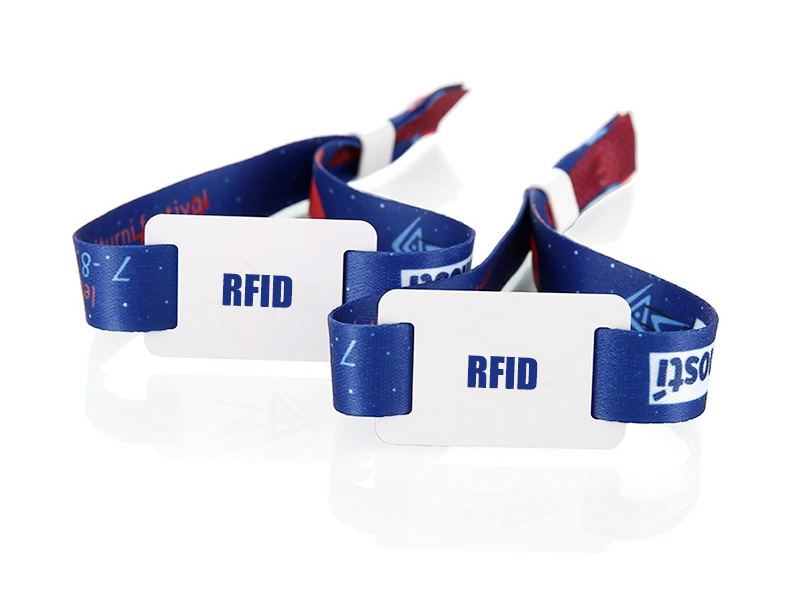
Fast entry: No need to queue for tickets or scan paper tickets, just swipe the wristband to enter the venue.
Reduced risk of loss: NFC wristbands are more durable and less likely to be lost than paper tickets or plastic cards.
Easy to interact with activities: Wristbands can be tied to social media accounts, allowing users to check in, receive rewards or participate in sweepstakes.
4. Health monitoring and exercise management
Some NFC wristbands combined with smart sensors can be used for health management, for example:
Steps logging: tracking daily steps to help users stay healthy.
Heart rate monitoring: Some high-end wristbands can detect heart rate, which is suitable for sports and fitness people.
Emergency help: Some NFC wristbands can store emergency contact or medical information for quick identification in case of emergency.
5. Security and Durability
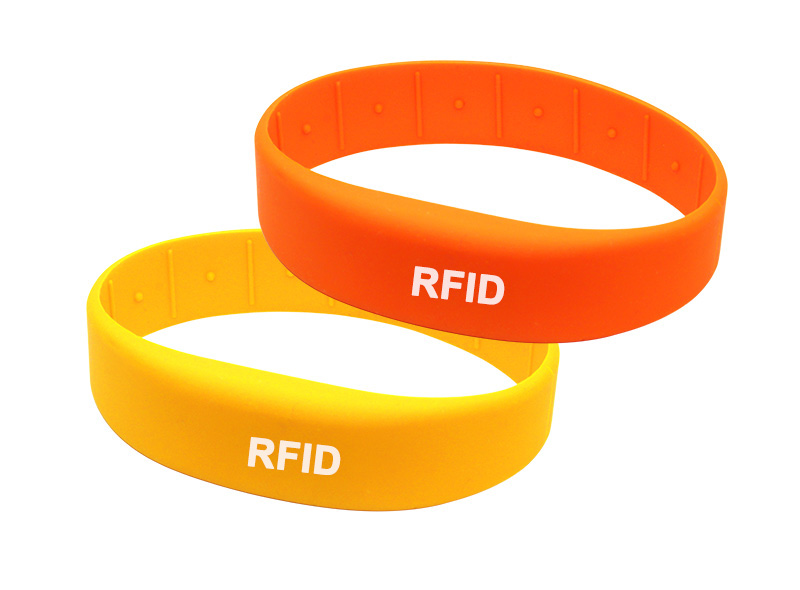
NFC wristbands are usually made of silicone, TPU, PVC and other waterproof, sweat-proof, drop-resistant materials, suitable for long-term wear, especially for:
Swimming pools, water parks: completely waterproof, users don't need to worry about the wristband being damaged by contact with water.
Outdoor sports: suitable for running, cycling, hiking and other activities, not affected by the weather.
Industrial or special environment: suitable for high temperature, low temperature, humidity and other harsh environments to ensure normal use.
Plus regular updates, exclusive discounts and the latest product news!