Welcome To HuiXin IOT : Pioneering RFID Solutions for a Connected World!
What is a high-frequency chip
High frequency chips can generally be made into tags or Cards for use, and are widely used in industries such as tracing, identifying, storing information, recharging, and consumption, such as public transportation Cards, supermarket consumption Cards, and membership savings Cards on the market.
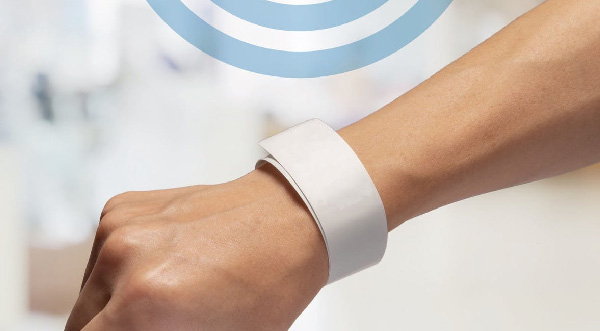
High frequency chip protocol
The high-frequency protocol is divided into ISO 14443A&B and ISO 15693.
High frequency chip operating frequency
The operating frequency of high-frequency chip electronic tags is generally 3MHz~30MHz. The typical operating frequency is 13.56MHz.
Protocol for high-frequency chips
The basic characteristics of high-frequency standards are similar to low-frequency standards, and due to the increase in their operating frequency, higher data transmission rates can be selected. ISO14443 defines two types of protocols, TYPE A and TYPE B. Their differences mainly lie in the modulation depth of the carrier and the encoding method of the bits. ISO 14443A is generally used for access Cards, bus Cards, and small value stored consumer Cards, and has a high market share. ISO14443B is more suitable for CPU Cards due to its high encryption coefficient, and is generally used for ID Cards, passports, UnionPay Cards, etc. The current second-generation electronic ID card adopts the ISO 14443B protocol. The carrier frequency specified in ISO15693 is 13.56MHz, which defines the air interface and data communication specifications for smart tags and readers operating at 13.56MHz. Tags that comply with this standard have a maximum recognition reading distance of 2 meters, making them more flexible in application.