Welcome To HuiXin IOT : Pioneering RFID Solutions for a Connected World!
With the development of technology, RFID (Radio Frequency Identification) technology is being increasingly applied across various industries. In the field of pet management, RFID technology is becoming more and more important. Through this technology, pet management has become more efficient, secure, and convenient. This article will begin with the basic concept of RFID, analyze its advantages, challenges, and solutions in pet management, and provide detailed steps on how to implement RFID pet management.
info-1-1
What is RFID?
Radio Frequency Identification ( RFID) is a technology that uses wireless radio signals to automatically identify and track objects. It consists of RFID tags, RFID readers, and databases:
RFID Tags: Store a pet's unique identification information and can be either a microchip implanted under the skin or a collar tag.
RFID Readers: Used to scan RFID tags and retrieve data. These devices are commonly found in veterinary clinics, animal shelters, and airports.
Databases: Store pet information, health records, and owner contact details for easy access and management.
RFID tags can be categorized based on their power supply:
Passive RFID Tags: No power supply is needed, and they are activated only when near a reader. These are ideal for implanted pet microchips.
Active RFID Tags: Have an internal battery and continuously emit signals, suitable for long-range tracking, like smart collars.
In pet management, RFID is primarily used for identification, tracking, and health monitoring. Compared to traditional methods like tags, QR codes, or GPS devices, RFID is more reliable and does not fail due to battery depletion or tag detachment.
Key Benefits of RFID in Pet Management
The advent of RFID technology has brought many advantages to pet management. The main benefits include accuracy, safety, convenience, and cost-effectiveness.
Precise Identification and Tracking: RFID technology's core advantage is its ability to accurately identify pets. Traditional identification methods, such as collar tags and ear tags, can be easily lost or damaged. RFID technology, through an implanted microchip, permanently stores pet identification information, ensuring it is not lost. Even if a pet's collar or ear tag is lost, the RFID chip can still confirm the pet's identity.
Enhanced Pet Safety: RFID technology provides higher safety for pets. By implanting a microchip, pet owners can ensure that their pets can be identified anywhere. If a pet goes missing, any place equipped with an RFID reader, such as animal shelters or veterinary clinics, can quickly scan the chip to retrieve the pet's information and reunite it with the owner. In contrast, traditional collar tags may fail to provide reliable information if lost.
Automated Management: RFID's automation feature brings convenience to pet management. With an RFID system, pet management staff no longer need to manually input information or search for records. Whether at animal shelters, pet boarding centers, or veterinary clinics, a simple scan of the RFID tag will automatically identify the pet's information and handle the necessary procedures. This automation not only increases efficiency but also reduces human errors, ensuring the accuracy of data.
Long-Term Cost Savings: While the initial investment in an RFID system may be high, it can save significant costs in the long run. RFID technology increases the chances of pet recovery, reduces the risk of lost pets, and lowers errors caused by inaccurate information. By reducing manual operations and improving efficiency, RFID systems can ultimately reduce operational costs in pet management.
Convenient Health Record Management: RFID tags not only store pet identity information but also health records, vaccination history, and other vital data. Each time a pet visits a clinic or receives a checkup, veterinarians can quickly access the pet's health records simply by scanning the RFID tag. This makes managing pets' health more convenient and precise, allowing for personalized treatment plans.
Who Can Benefit from RFID Pet Management Solutions?
RFID technology in pet management provides numerous benefits not only for pets but also for multiple stakeholders.
Pet Owners: Pet owners are direct beneficiaries of RFID technology. By implanting an RFID chip in their pet, owners can ensure that their pet's identification information is never lost. Even if the pet gets lost, it can be located by scanning the chip, which also provides the pet's health records. Furthermore, RFID technology helps owners monitor their pets' health in real-time, including vaccination and disease prevention information, ensuring their pets' well-being.
Pet Management Institutions: Animal shelters, veterinary clinics, pet boarding centers, and other pet management organizations can improve management efficiency with RFID systems. The introduction of RFID helps these institutions accurately record and manage pets' personal information, health records, and history, preventing misdiagnosis and information loss. Additionally, the intake, transfer, and discharge processes can be automated through RFID systems, improving workflow efficiency.
Animal Protection Organizations: Animal protection organizations can use RFID technology to track the origin and whereabouts of pets, ensuring their safety and compliance during the shelter process. Through RFID tags, these organizations can access detailed pet information and take appropriate protective measures to help stray animals find suitable homes.
Veterinarians and Health Management Personnel: RFID technology helps veterinarians quickly access pet health records, reducing the need for repeated tests and redundant data. Veterinarians can diagnose pets' health conditions more quickly and provide more effective treatment plans. RFID tags also help store and manage pets' health records, reducing errors that might occur with manual record-keeping.
info-1-1
Challenges and Solutions in RFID Pet Management
While RFID technology offers many significant advantages in pet management, there are also challenges in its implementation. Understanding these challenges and adopting appropriate solutions can help organizations smoothly adopt RFID applications.
High Initial Investment: The initial investment in an RFID system, including the cost of devices, tag implantation, and system setup, can be a significant burden for many small and medium-sized pet management institutions.
Solution: As RFID technology becomes more widespread, the prices of devices are gradually decreasing. Pet management institutions can implement the system incrementally, starting with basic identification functions and expanding over time. Additionally, leasing or collaborating with other organizations to share resources can help reduce the cost of purchasing equipment and technology.
Technology Compatibility Issues: Different brands and models of RFID tags and readers may have compatibility issues, which can affect the integration, stability, and efficiency of the system.
Solution: Opt for RFID devices that comply with international standards to ensure compatibility and scalability between different devices. Additionally, consider RFID solutions specifically designed for pet management to avoid integration challenges.
Tag Malfunctions: Although RFID tags are generally durable, pets' active lifestyles may result in tag damage or malfunction. For example, chips may fail to be read due to health changes or environmental factors affecting the pet.
Solution: Pet management institutions should regularly check the status of the tags and replace or repair them as necessary. Combining RFID chips with traditional barcodes or QR codes can provide a backup solution in case of tag malfunction.
User Privacy and Data Security: RFID tags store private information about pets, such as health records and vaccination history. Ensuring the security and privacy of this data is a critical challenge.
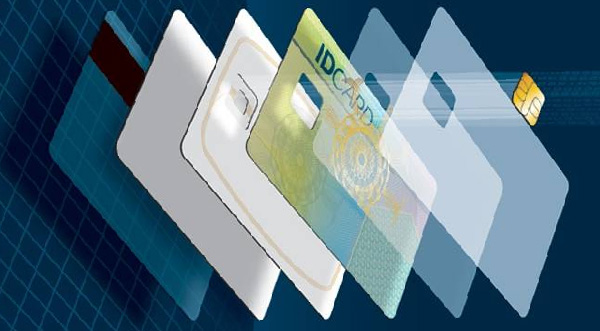
Solution: Implement encryption technologies to protect sensitive data stored in RFID tags, ensuring that only authorized personnel can access the information. Additionally, use secure data transmission and storage protocols to prevent malicious data breaches during transmission.
How to Implement RFID in Pet Management
Implementing an RFID system is key to improving pet management efficiency. Different use cases require specific devices and steps to ensure the smooth operation of the system. Below are key steps and suggestions to help pet owners, veterinary clinics, and care institutions effectively apply this technology.
Choose the Right Equipment: Selecting the right equipment is the first step in RFID implementation. Different types of RFID tags and readers are suited for various applications:
Passive RFID Tags: These low-cost tags are designed for long-term pet identity recognition and are commonly used in veterinary clinics. They link medical records and other information to the pet for easy access during diagnosis and treatment.
Active RFID Tags: These tags have an internal battery and longer signal transmission range, making them suitable for real-time monitoring environments like pet care centers. Although more expensive, they provide real-time tracking of pets' activities, enabling quick responses to any situation.
RFID Readers: These are the core components of an RFID system. Pet clinics, shelters, and care centers can opt for handheld readers to quickly scan and retrieve pets' identity and health information.
Integrate with Backend Management Systems: Integrating RFID systems with backend software is crucial for streamlining management processes. For example, pet clinics should link RFID data with their existing pet health management systems to allow veterinarians easy access to medical records. Similarly, pet care centers or shelters can track pets' movements, health status, and other relevant information through integrated systems.
Equipment Installation and Maintenance: During the implementation phase, ensure proper installation of RFID tags (whether implanted or as a collar) on pets and regularly check the functionality of tags and readers. For active tags, timely battery replacements are critical to ensuring continued operation.
By following these steps, pet owners, clinics, and care institutions can effectively implement RFID technology to enhance their pet management practices.