Welcome To HuiXin IOT : Pioneering RFID Solutions for a Connected World!
RFID PVC ID Cards have become an essential part of modern identification and security management systems,and this durable material made of polyvinyl chloride (PVC) and the advanced capabilities of radio frequency identification ( RFID) technology are used in a wide range of industries. Whether you are a business owner, school administrator or government official, understanding RFID PVC ID Cards can help you make informed decisions about their application and use. In this article, we will introduce RFID PVC ID Cards from its advantages, application scenarios to production process and maintenance methods.
What is RFID PVC ID Card?
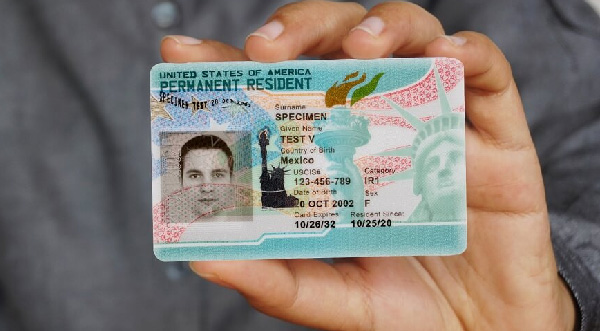
RFID PVC ID Card is a durable and lightweight card made of versatile plastic material. These Cards are commonly used for identification, access control and security management. They can contain printed or encoded information such as names, photos, barcodes, magnetic stripes or embedded chips, and the Cards come in a standard size of 85.6 mm x 54 mm (compliant with ISO/IEC 7810 ID-1) and are compatible with most card readers and wallets.PVC is flexible and durable, making it an ideal material for ID Cards that can withstand daily wear and tear while maintaining their integrity and readability.
Benefits of RFID PVC ID Cards/" target="_blank">Cards
Durability: PVC materials are waterproof, chemically resistant, and resistant to physical wear and tear, ensuring long-term readability and functionality. This durability is critical for Cards that are frequently used or exposed to harsh environments.
Highly Customizable: With PVC ID Cards, businesses can customize each card with employee photos, names, titles and other pertinent information for a professional, uniform look. Customization options allow businesses to tailor ID Cards to their specific branding and security needs.
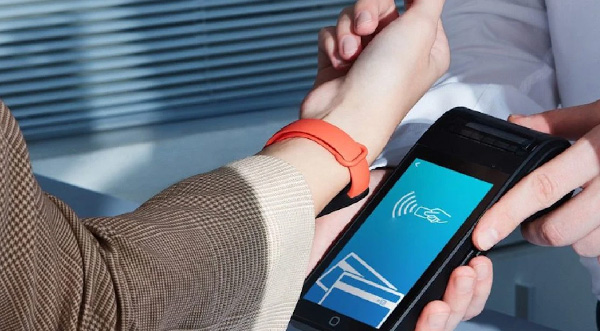
Contactless functionality: RFID technology supports contactless data transmission, increasing the ease and speed of access control.
High security: Advanced encryption and authentication protocols in RFID chips prevent unauthorized access and duplication.
Versatility: RFID PVC ID Cards can be integrated with a variety of technologies, such as magnetic stripes, barcodes or QR codes, to meet different functional requirements.
Environmentally friendly: PVC materials are recyclable, and environmentally friendly options are available for organizations focused on sustainability.
Cost-effective: Despite advanced functionality, RFID PVC ID Cards are economical for large-scale deployments.
info-1-1
Uses
Enterprises: Used in corporate environments to identify employees, contractors, and visitors and allow them access to secure areas and facilities. These Cards also serve as badges of affiliation, helping to enhance a sense of belonging and professionalism among employees.
Education: Educational institutions use RFID PVC ID Cards to identify students, faculty and staff, and to track attendance, library usage and meal plans. These Cards play an important role in campus security and help streamline administrative processes.
Healthcare: Healthcare organizations issue RFID PVC ID Cards to patients, medical staff and administrators to facilitate patient identification, medical record management and access to restricted areas. These Cards ensure accurate patient care and regulatory compliance.
Events and Conferences: Event organizers use RFID PVC ID Cards for attendee registration, access control and attendee identification to ensure events run smoothly and securely. These Cards help streamline event logistics and increase participant engagement and safety.
The production of RFID PVC ID Cards usually involves the following steps:
1. Design: Use graphic design software to design the card layout, add logos, text, photos and security features.
2. Embedding RFID chips: RFID chips are embedded in PVC Cards during the manufacturing process.
3. Printing: Print the design on the PVC card by dye sublimation or reverse printing technology.
4. Lamination: The printed card is laminated to protect the design from scratching or fading.
5. Cutting: The laminated card is cut into standard sizes using a precision card cutter.
6. Encoding: Encode relevant data for the RFID chip, such as unique identification number or access rights.
7. Personalization: Use a card printer to add personalized information to each card, such as name, photo or ID number.
Proper maintenance is required to ensure the long-term use and proper functioning of the PVC ID card:
Handle with Care: Avoid bending, scratching, or exposing them to extreme temperatures or humidity to avoid damaging the RFID chip.
Store properly: Store Cards in a clean, dry environment away from direct sunlight and contamination to prevent fading and degradation.
Regular Inspection: Check Cards regularly for signs of wear, fading or tampering and replace any damaged or compromised Cards immediately to maintain security and readability.
REGULAR CLEANING: Clean card surfaces with a soft, damp cloth, avoiding harsh chemicals or rough materials.
Safe storage: Keep Cards, especially those containing sensitive information or privileges, in a safe place to prevent loss or theft.